
Not feeling like yourself? Signs your mental wellbeing may need attention
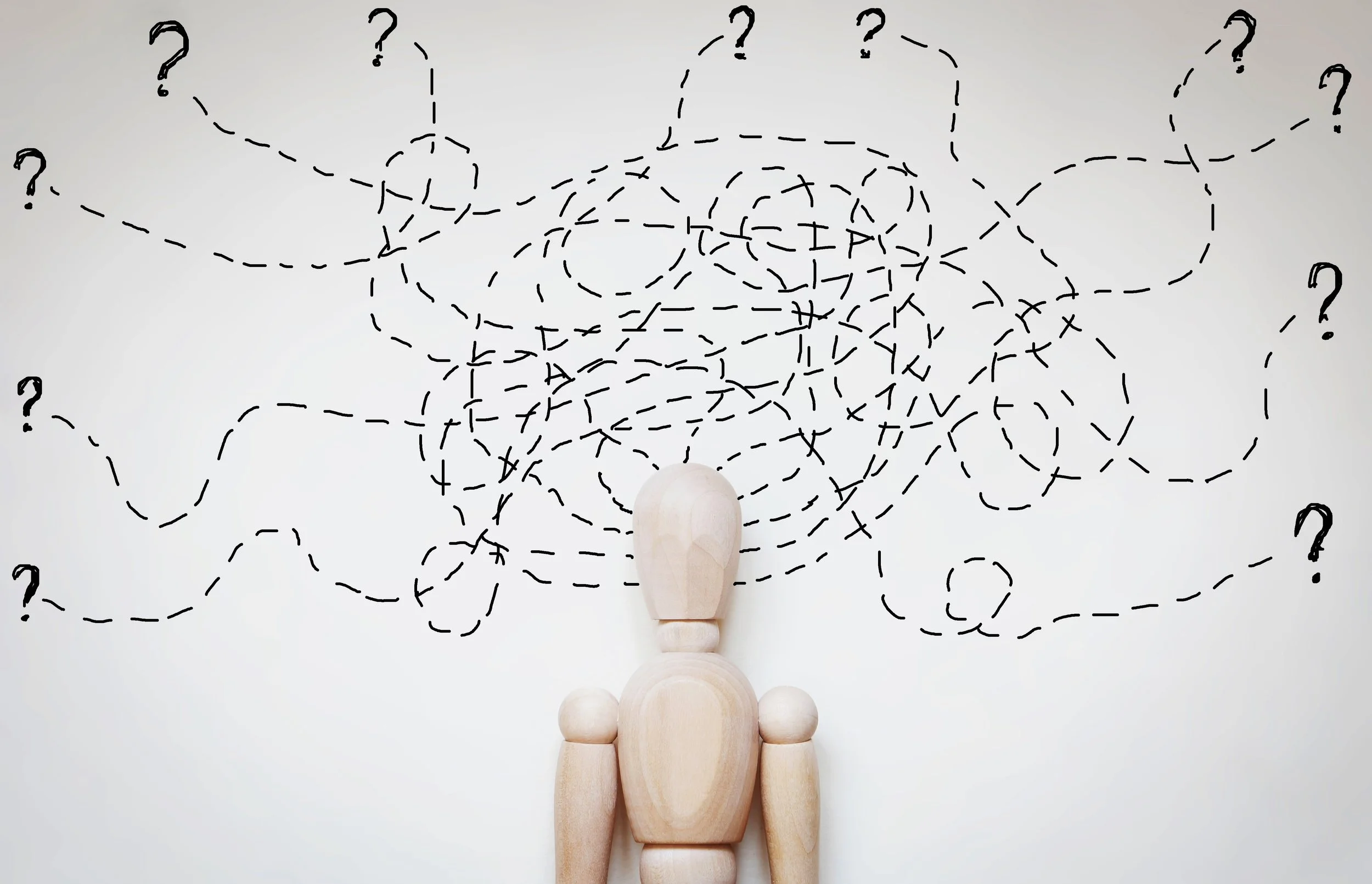
Have you been wondering, "Why don't I feel like myself?"
Learn the early signs that your mental wellbeing may be struggling, what might be causing the change, and practical ways to reconnect with yourself before things become overwhelming.
We all have difficult days
We all have difficult days from time to time. A stressful week at work, an argument with someone we care about, poor sleep or disappointing news can temporarily knock us off balance. Usually, with a little time and self-care, we begin to feel like ourselves again.
But sometimes that feeling lingers. You may notice that you're not quite yourself anymore. Perhaps you're more anxious than usual, emotionally exhausted, irritable, tearful or simply disconnected from the things you normally enjoy. Sometimes you can’t put your finger on it.
Changes in our mood, thoughts and behaviour are often our mind's way of telling us that something needs our attention. Rather than criticising yourself or trying to push through, it can help to become curious about what your mind and body might be trying to tell you.
Signs you may not be feeling like yourself
Mental wellbeing doesn't usually change overnight. More often, the signs appear gradually. You may notice one or two changes, or several at once. The important thing is to pay attention to what is different for you.
Some common signs include:
You're looking after yourself less than usual.
Your sleep routine changes, your eating habits become irregular, exercise feels like too much effort, or hobbies that once helped you relax no longer interest you.
Small things feel overwhelming.
Tasks that you would normally cope with feel exhausting, and everyday challenges seem much harder than they used to.
Your emotions feel harder to manage.
You may feel more tearful, anxious, irritable or emotionally reactive, even if you can't explain why.
You're withdrawing from other people.
Perhaps you're avoiding social plans, cancelling arrangements or wanting to spend more time alone than you usually would.
You've lost interest in things you normally enjoy.
Activities that once brought you pleasure now feel like an effort or simply don't appeal.
You feel persistently sad, anxious or hopeless.
Rather than experiencing temporary ups and downs, these feelings seem to stay with you.
You're neglecting yourself.
Looking after your appearance or personal hygiene may begin to feel overwhelming or unimportant.
You're relying on unhealthy ways to cope.
Perhaps you're drinking more alcohol, using substances, scrolling endlessly, comfort eating or using other behaviours to escape difficult feelings.
You're acting more impulsively than usual.
You might find yourself taking risks or behaving in ways that don't fit with your usual values or character.
Remember, it's the change from your usual self that matters.
For example, someone who naturally enjoys their own company doesn't necessarily need to worry because they spend time alone. But if someone who is usually sociable begins withdrawing from friends and family, that's worth becoming curious about.
The question isn't whether the behaviour is good or bad. It's whether something has changed.
What might be causing it?
Sometimes the reason is obvious. A relationship breakdown, bereavement, workplace stress, financial worries, illness or caring responsibilities can all affect how we feel.
Other times, there isn't one clear cause. Instead, several small pressures gradually build until you realise that you simply don't feel like yourself anymore.
Understanding what's contributing can be incredibly helpful, but you don't need to have all the answers before you begin looking after yourself.
This is one of the reasons counselling can be so valuable. Having someone alongside you to gently explore your thoughts, emotions, and experiences can help you make sense of what's happening, especially when you can't quite put your finger on it yourself.
If you don't yet know what's causing the change, don't panic. For now, it's far more important to notice that something feels different than it is to immediately explain why.
The importance of checking in with yourself
One of the simplest but most powerful habits we can develop is regularly checking in with ourselves.
It's surprisingly easy to move through life on autopilot, staying busy enough that we don't stop to notice how we're really feeling.
You might recognise thoughts such as:
"I haven't got time to think about how I am."
"I just need to keep going."
"I'll deal with it later."
In the short term, pushing difficult feelings aside can sometimes help us get through the day. But when emotions are repeatedly ignored, they rarely disappear. Instead, they often build beneath the surface until they begin to affect our mood, behaviour and wellbeing.
This is why emotional awareness matters so much. I often say to clients, "You can't do anything about something you don't know."
Making time for a regular emotional check-in helps you notice what's happening before you become completely overwhelmed.
You might ask yourself:
How am I really feeling today?
What emotions am I noticing?
Has anything happened recently that's left me unsettled?
What do I need right now?
Is there something I've been avoiding?
Perhaps you need to rest. Perhaps you need to set a boundary, have an honest conversation or simply acknowledge that something has been difficult.
Developing emotional awareness isn't about dwelling on problems. It's about noticing them early enough that you can respond with care instead of simply pushing through.
If this idea resonates with you, you might also enjoy reading my blog Unpacking your emotions: Why bottling things up doesn’t work, where I explore what happens when we repeatedly suppress difficult emotions.
Feeling like yourself again
Feeling unlike yourself doesn't mean there's something wrong with you, but it can be a sign that something in your life needs your attention.
Rather than judging yourself for struggling or trying to force yourself back to "normal", see whether you can become curious. Small changes in how you're feelng are often your mind's way of asking you to slow down, reflect and care for yourself differently.
Sometimes, making small changes and becoming more aware of what's going on is enough to help you reconnect with yourself. Other times, additional support can make all the difference.
You don't have to wait until you're in crisis before asking for help.
Where to go next...
If this article resonated with you, you may also like to read Learning to tolerate difficult emotions, where I explore why we often try to avoid painful feelings and how making space for them can actually reduce their intensity.
If anxiety or self-doubt has left you questioning your own judgement, Learning to Trust Yourself Again explores how to rebuild confidence in yourself with compassion rather than certainty.
Or, if you find yourself constantly comparing your life with everyone else's, Why do I compare myself to others? Understanding comparison and self-worth explores why comparison can quietly erode your wellbeing and how to gently bring your focus back to yourself.
If you'd like some additional support, my free Understanding Anxiety - A Starter Pack introduces anxiety, emotional awareness and healthier ways of responding when life feels overwhelming.